
Design Emotion: How Visual Storytelling Shapes Emotional Experience
The first thing people react to when they encounter a design is not logic — it is feeling. Before reading a title, clicking a button, or understanding a message, users experience emotion. This emotional response shapes how they interpret a brand, a website, or a product. In today’s design landscape, visual storytelling has become one of the most effective ways to guide that emotional experience.
Why Emotion Comes First
In Design Is Storytelling, Ellen Lupton explains that strong design does more than communicate information. It creates an emotional reaction that pulls people in. Humans do not make decisions purely based on logic. Research in psychology and behavioral economics shows that people feel first, then justify their choices later. With this, designers can intentionally shape emotional responses through visuals, structure, and interaction.
This is where Robert Plutchik’s Wheel of Emotions comes into action. Plutchik identified eight core emotions, including joy, anticipation, trust, and fear. When designers consider which emotions a brand should evoke, they can make more intentional decisions about color, imagery, layout, and motion. For example, warm colors may suggest comfort or excitement, while cooler tones can create calm or trust. These choices influence how users emotionally connect with what they see.
Visual Storytelling Across Platforms
Visual storytelling appears across packaging, websites, apps, and branding systems. Packaging design often creates anticipation before a product is even used. Minimalist packaging, such as Apple’s, slows the experience down and builds curiosity. The act of opening the box becomes part of the story, something many look forward to.
In digital design, emotion plays an even larger role. Websites and apps guide users through sequences of moments. Mood boards, imagery, and typography help establish tone before users interact with content. Platforms like Spotify and Headspace use color, illustration, and motion to create joy or calm while remaining functional. These emotional cues make digital experiences feel personal and fun, rather than mechanical.
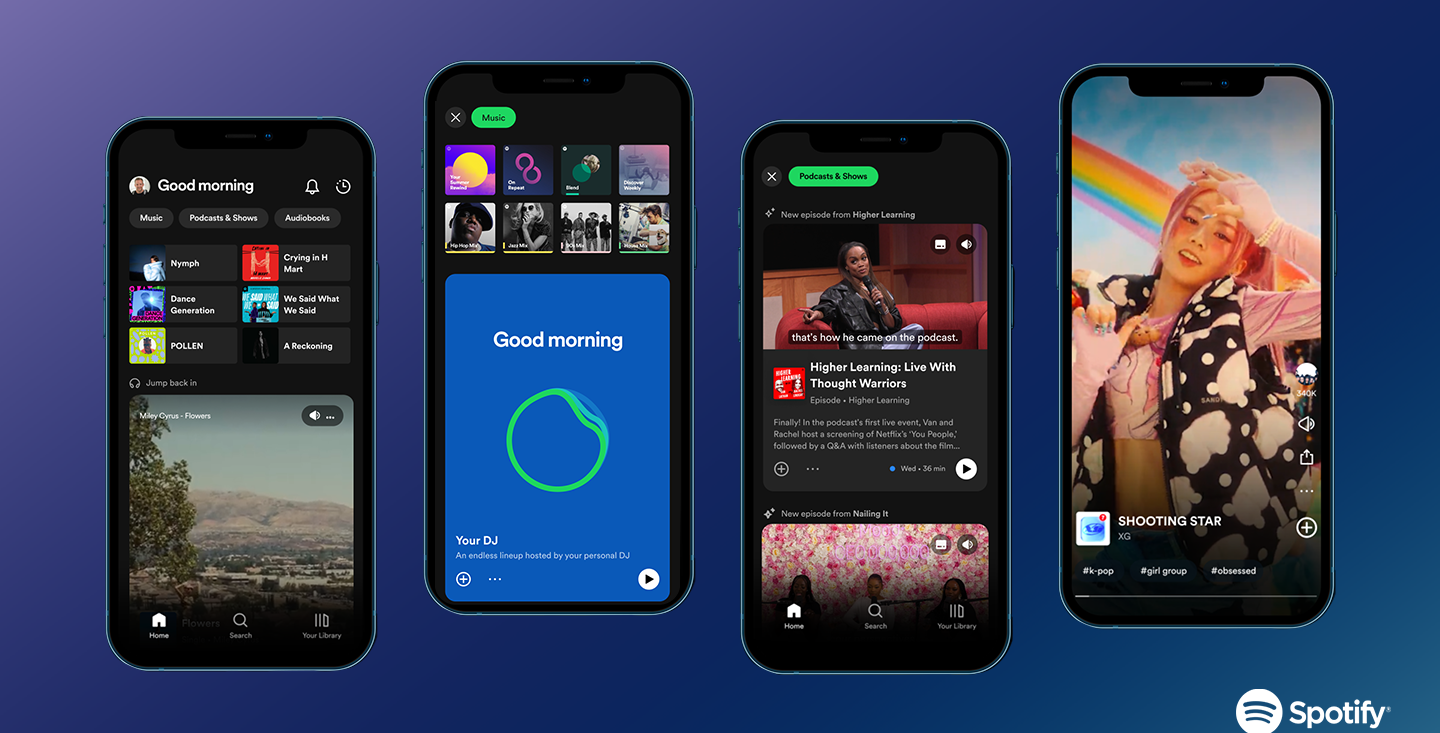
Spotify is consistent in its design, Gestalt principles, and micro-interactions to create a fun and joyful experience.
Branding, Identity, and Belonging
Brands that succeed emotionally often align design with values and identity. Emotional branding is about creating a sense of belonging. Companies like Nike, Airbnb, and Patagonia connect with audiences by reflecting shared beliefs, whether that is motivation, community, or sustainability.
Social media has amplified this emotional connection. Users now shape brand meaning through posts, stories, and images. Design becomes a shared language between brand and audience. The result is not just recognition, but loyalty.
Conclusion
Designers today are storytellers. Through visual choices, they shape how users feel before, during, and after an experience. Emotion is not an extra or last-minute thing; it’s the foundation of effective design.
Visual storytelling, emotional intelligence, and psychological principles allow designers to create work that feels human. When design connects emotionally, it becomes memorable. And in a world oversaturated with content, feeling is what makes something stand out.

Hi, I’m Allison!
I am a graphic and interactive designer, ready to craft strategy-driven and engaging designs for you now!