
Featured



Why Brands Are Becoming More Human Online
In a digital space crowded with ads and polished messaging, highly corporate content is easy to ignore. To stand out, brands are shifting their approach online, communicating less like companies and more like people.
Website Design: What Makes Users Stay
Users form opinions about a website within seconds. Design is not just about aesthetics; it is about behavior. The way a site looks, feels, and functions determines whether a visitor stays, explores, and converts, or leaves without a second thought. Understanding the relationship between design choices and user engagement is critical to building websites that actually work.
Static vs. Motion Design: When Should You Use Each?
Visual content is more powerful than ever and has become a key tool for communication and engagement. This raises an important question for designers and marketers: Should you use static or motion design? Each format offers unique strengths, and understanding both can help elevate any visual content strategy.

The Impact of Influencers on Modern Marketing Campaigns
Influencer marketing has become a major force in digital advertising today, reshaping how brands connect with consumers and build trust. As social media platforms continue to dominate attention, influencers play a key role in translating brand messaging into relatable, engaging content that feels more personal than traditional advertising.

What Makes a Logo Memorable?
A logo is often the first thing people notice about a brand, and it plays a big role in how that brand is remembered. It’s more than just a visual mark—a strong logo doesn’t just look good. It communicates clearly, works across different media, and stays recognizable over time, making it a key part of branding.
Why Emotion Matters in Design and Communication
Design isn’t just about how something looks. It’s about how it makes people feel. Whether you’re creating a brand identity, building a website, or shaping a campaign, emotional connection is what turns passive viewers into engaged audiences. People don’t just remember information. They remember experiences. For aspiring creatives and communication professionals, understanding this difference is key to creating work that actually sticks.
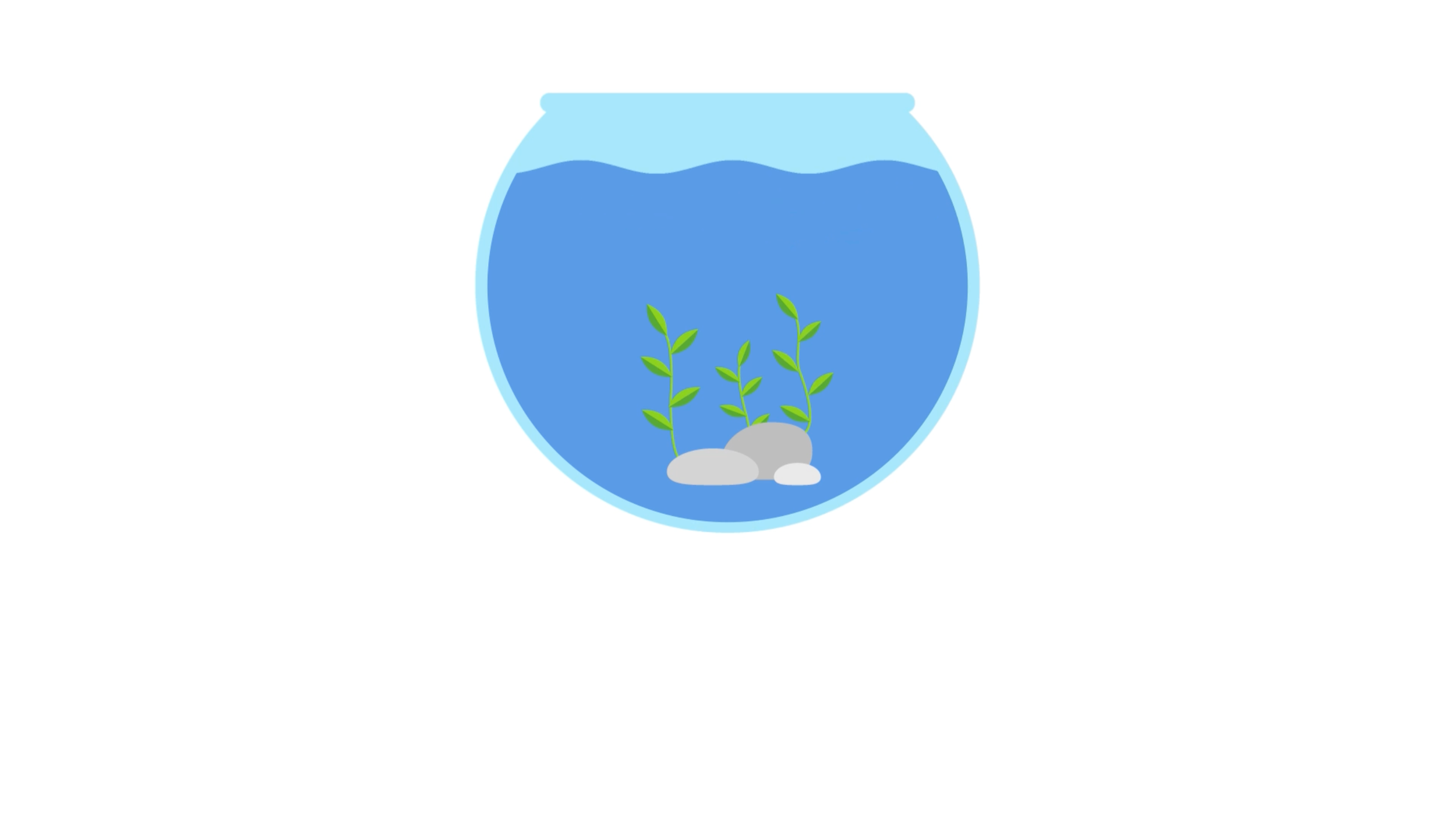
Aquarium Logo Stinger
For the final animation project, the goal was to create a short animated sequence that applies the motion design techniques learned throughout the course. By researching animation examples and applying ideas from the reading, I developed a short logo sting that focuses on simple storytelling through motion, sound, and timing.
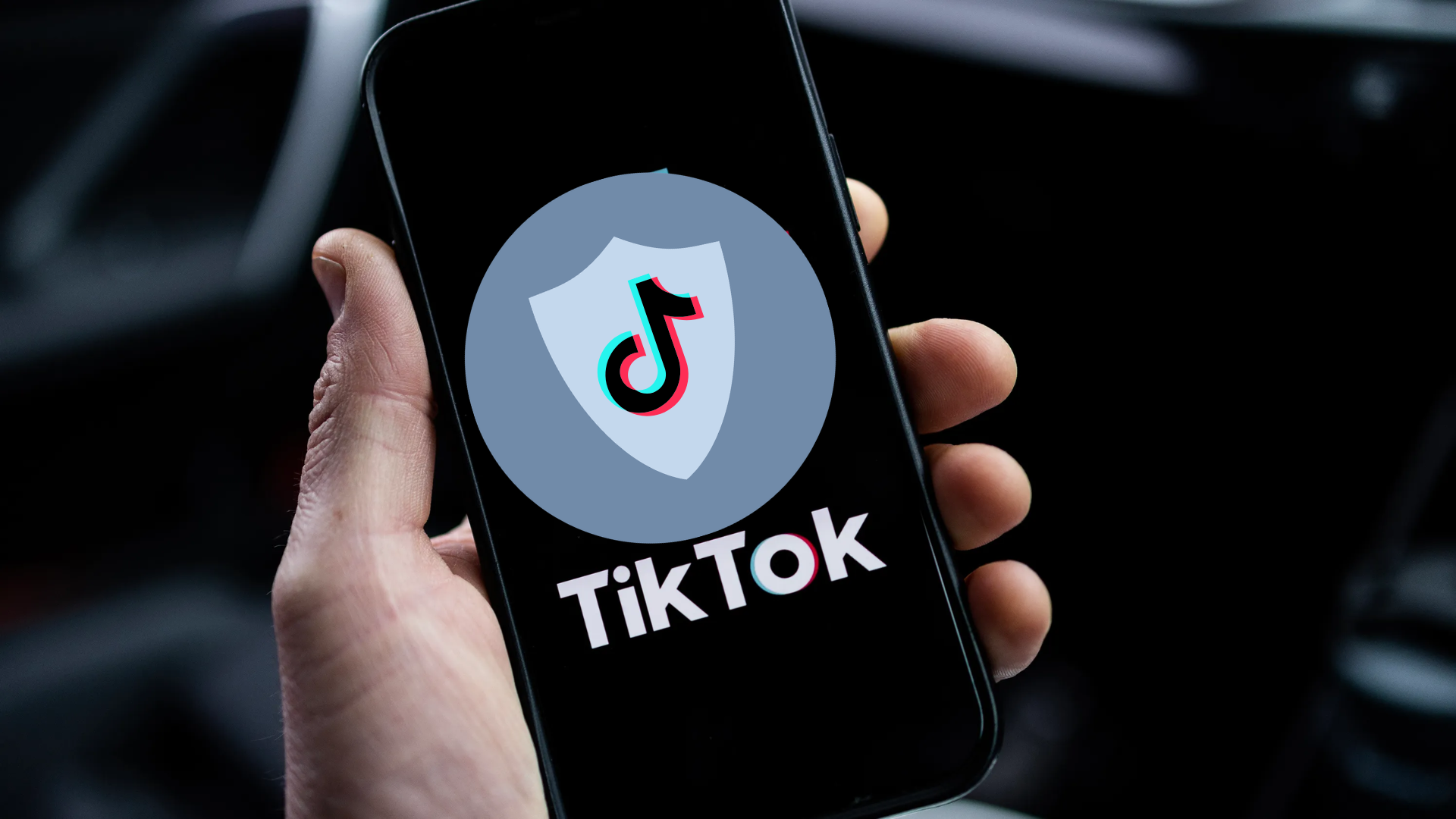
What TikTok Knows About You: User Data, Privacy, and Ethics
TikTok is one of the most popular social media platforms in the world, with more than a billion users who watch and create short-form videos. Like most social platforms, TikTok collects lots of user data to personalize content and target advertisements. This data helps businesses reach specific audiences and improve the overall user experience, but it also raises concerns about privacy, transparency, and the ethics of personal information.

UI/UX Animation
Animation can enhance user interface design by making digital interactions feel more responsive and engaging. UI animation is often subtle, but it plays an important role in helping users understand what is happening on screen. Through this week’s reading and research, I learned how motion can guide attention, clarify steps, and improve the overall user experience.