
The Impact of Influencers on Modern Marketing Campaigns
Influencer marketing has become a major force in digital advertising today, reshaping how brands connect with consumers and build trust. As social media platforms continue to dominate attention, influencers play a key role in translating brand messaging into relatable, engaging content that feels more personal than traditional advertising.
“Influencer marketing is a social media marketing approach that uses endorsements and product mentions from influencers.” (SproutSocial)
Audience and Influencer Connection
Influencers promote content through their personal accounts, blending sponsored posts with their everyday posts. These integrations often work well because they make advertising feel natural rather than forced, hitting a balance between authenticity and promotion. Since people are already interested in the influencer’s lifestyle, the recommendations feel more credible, leading followers to act on those endorsements.
Another important factor is the rise of micro- and nano-influencers. While large creators offer broad reach, smaller influencers tend to have a more engaged and loyal audience. Their content often feels more personal and less commercial, which strengthens trust and interaction.
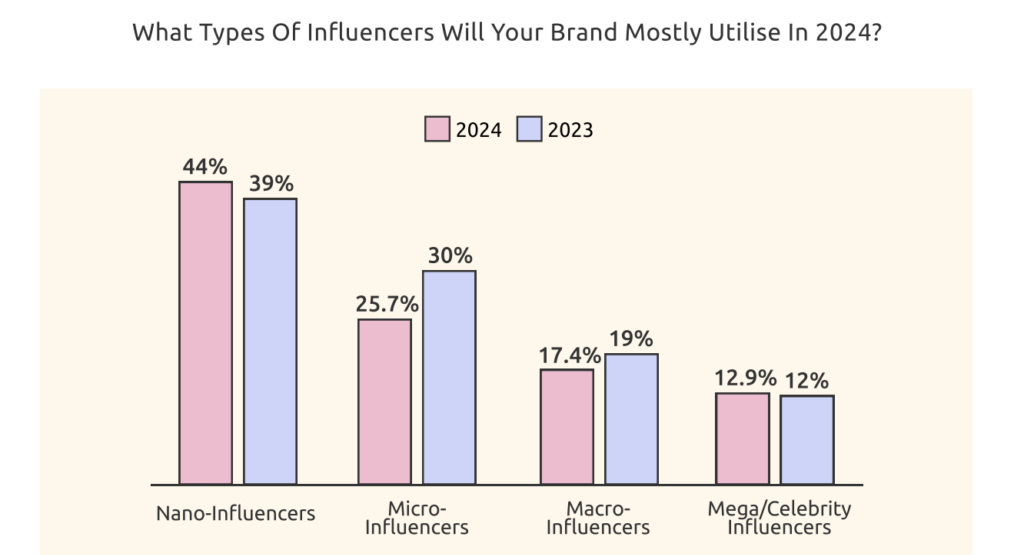
Studies and campaign results have shown that micro-influencers frequently outperform larger accounts in engagement rates, making them especially valuable for highly targeted campaigns.
Experience-Driven Campaigns
One of the most visible shifts in social media campaigns is the focus on experience-based marketing. Brands are no longer just sending products—they are creating moments designed to be shared. Influencer trips and exclusive events have become a major strategy in this area, with campaigns extending beyond a single post or platform. Audiences are immersed in the lifestyle, making the marketing feel aspirational and engaging across content on platforms like TikTok, Instagram, and YouTube.
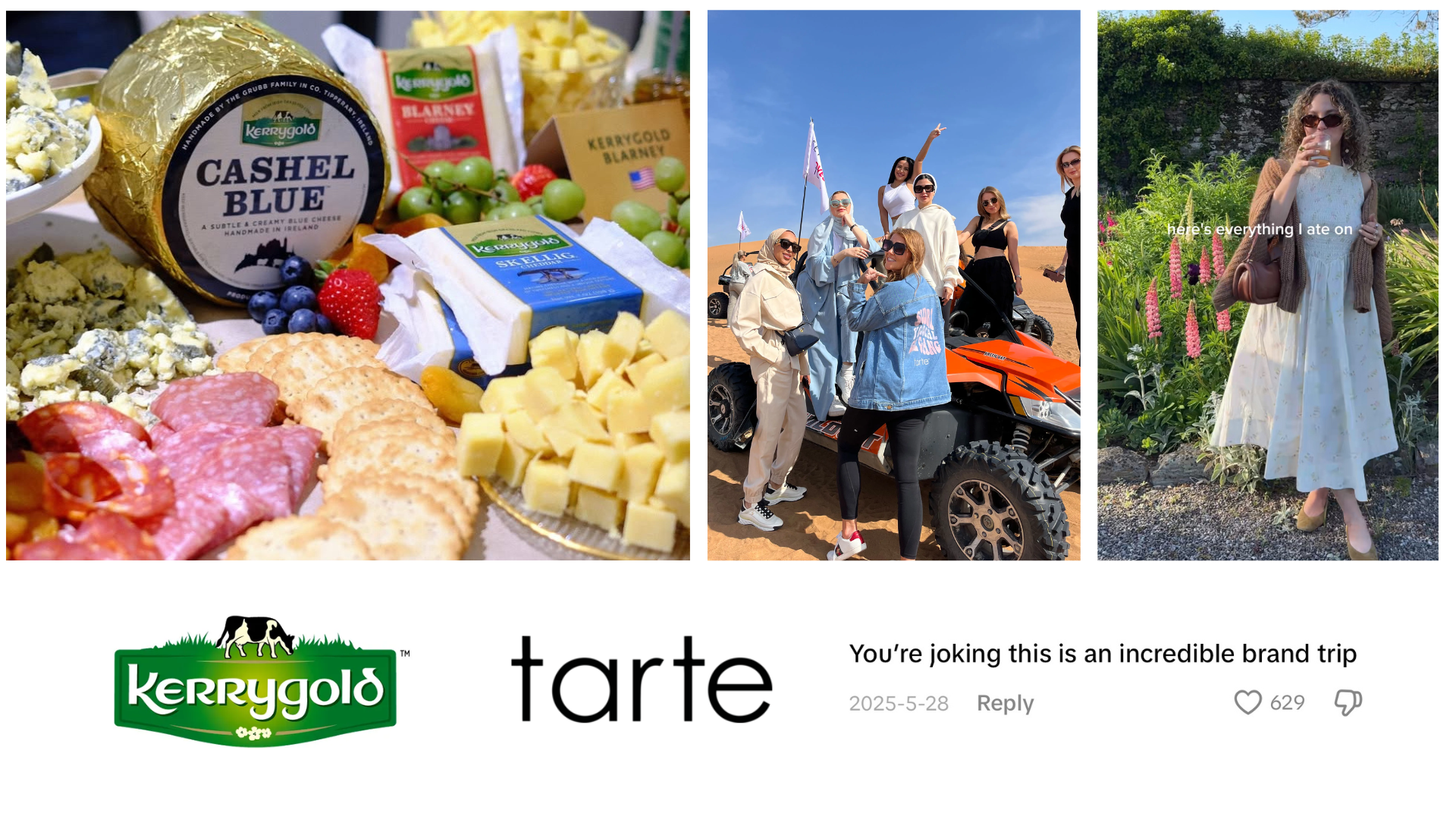
In May 2025, the Kerrygold campaign went viral online for inviting seven content creators to Ireland. The influencers explored the brand’s origins—highlighting green pastures, dairy farms, and Irish food culture—while documenting their experiences online. The content performed especially well on TikTok, where audiences responded positively to the immersive storytelling, ultimately increasing brand awareness and engagement.
Screenshots from Lydia Keating’s and Katie Zukhovich’s posts
Challenges and Tips for Influencer Marketing
Despite its effectiveness, influencer marketing presents several challenges. Issues such as fake followers and inflated engagement metrics make it difficult for brands to measure success and return on investment. At the same time, consumers have become more aware of paid partnerships, leading them to question the authenticity and transparency of sponsored content. Research from McKinsey & Company suggests that large brands often struggle to appear genuine because their content may feel staged.
A widely discussed campaign was the 2023 Tarte Dubai influencer trip, which went viral for both its scale and controversy. The trip was criticized as tone-deaf, yet it still generated millions of views and significant attention online. This highlights how even controversial campaigns can drive visibility, though not always positive brand perception.
To navigate these challenges, brands are advised to choose influencers who align closely with their values and image, focus on meaningful audience engagement, and build long-term relationships, rather than on one-off posts. Selecting influencers strategically is key to overall campaign performance and ROI.
“If you're working with a limited budget, focus on one standout moment. Or keep it local. With the right guests, you can still make a lasting impact. But success isn’t about how much you spend—it’s about how purposeful you make it.”
(Sue S. Chan, Founder of Care of Chan)
Influencer marketing continues to grow each year, with campaigns increasingly centered around real experiences, authentic voices, and meaningful audience engagement. As the space evolves, brands that prioritize long-term relationships and genuine connections will be better positioned to succeed in an increasingly competitive industry.

Hi, I’m Allison!
I am a graphic and interactive designer, ready to craft strategy-driven and engaging designs for you now!