
Blog Posts
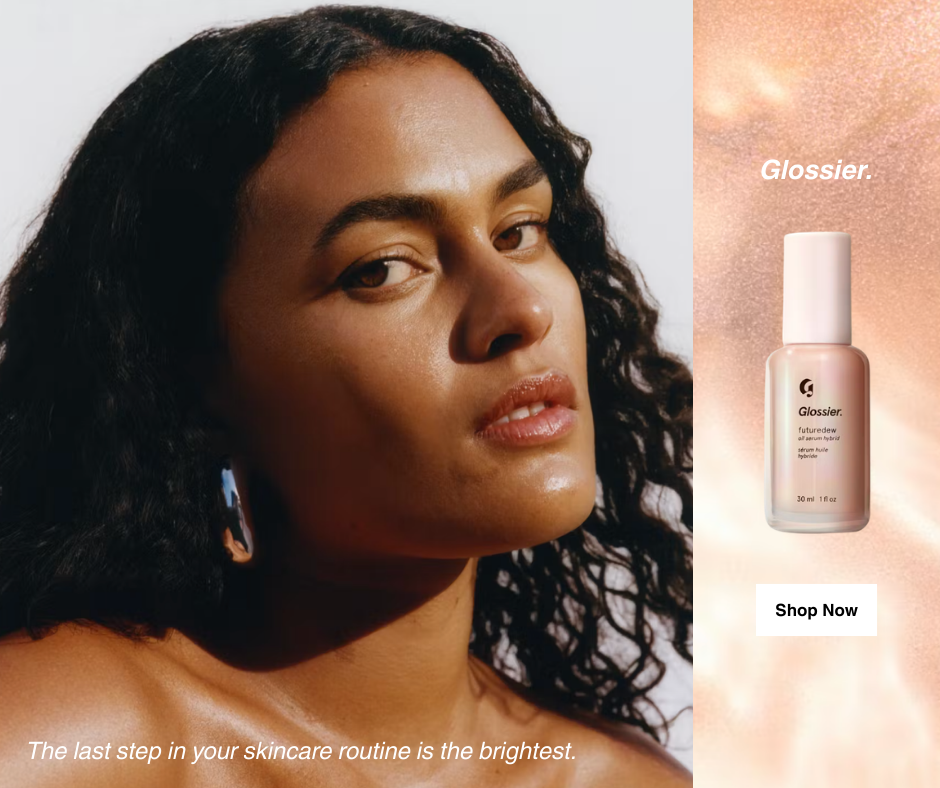
Facebook Ad Campaign: Applying Glossier’s Strategy
I developed a mock paid social media campaign using Facebook Ads Manager for Glossier, focusing on the product Futuredew. The goal was to align paid strategy with the brand’s established presence while meeting the required campaign setup components: objective selection, audience targeting, placements, budget, and performance metrics.

Module 2: Animated Intro
This project explores how motion graphics, typography, and imagery can work together to create a personal animated introduction. Using After Effects, I designed a 40-second intro video that communicates who I am, my background, and my interests. My goal was to create something simple, engaging, and reflective of my personality while improving my technical skills with motion tools and timing.

Analyzing Netflix’s Organic Social Media Performance
Netflix’s social media presence functions less like traditional advertising and more like a space for fan interaction. Across Instagram, X, TikTok, and Facebook, the brand posts timely, relevant content that resonates with fans and reflects platform norms. This approach aligns with Sprout Social’s guidance: algorithms favor content that receives engagement, is consistent, and is relevant to audience preferences. Netflix’s use of humor, behind-the-scenes moments, and fan content shows that it focuses on connecting with its audience rather than just promoting products.

Module 1: Creating GIFs
This project explores how motion can transform simple illustrations into expressive, engaging GIFs. Through experimenting with jumpy cut-out animation, hand-drawn frame-by-frame techniques, and Photoshop frame timelines, I created three short animations that convey comfort, growth, and playfulness.

Analyzing Glossier’s Organic Community and Paid Growth
Glossier’s social media presence feels less like advertising and more like a conversation. Across Instagram, TikTok, and Facebook, the brand emphasizes real people, minimal production, and everyday beauty routines. This approach reflects the shift in how brands use social media—not as a broadcast tool, but as a space for connection and trust.
Design Emotion: How Visual Storytelling Shapes Emotional Experience
The first thing people react to when they encounter a design is not logic — it is feeling. Before reading a title, clicking a button, or understanding a message, users experience emotion. This emotional response shapes how they interpret a brand, a website, or a product. In today’s design landscape, visual storytelling has become one of the most effective ways to guide that emotional experience.
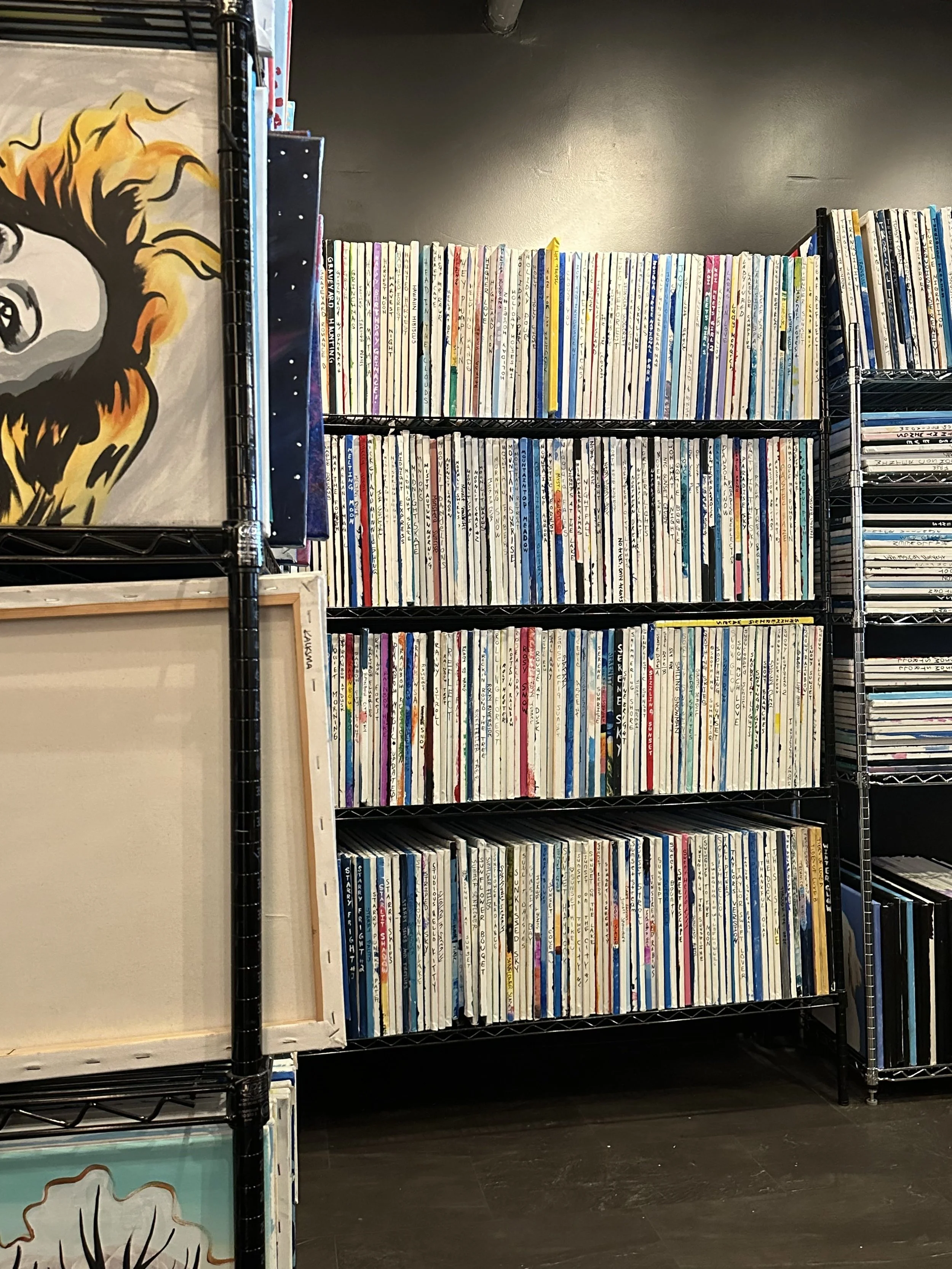
Moments That Make a Week Feel Like a Life
A week can go quickly or slowly, and is usually not defined by major milestones. Instead, it is shaped by small, repeated moments that create rhythm over time. Visual storytelling allows these moments to exist together, forming a narrative that feels familiar and human. According to Eman Shurbaji, photo narratives are most effective when images are unified by a guiding idea rather than visual similarity, allowing viewers to understand a situation through emotion, detail, and context rather than spectacle alone. This photo essay captures moments from a single week that, when viewed together, feel less like isolated scenes and more like a lived experience.

Designing Choices: How Behavioral Economics Impacts What We See and Do
Every day, we tap buttons, swipe through menus, and click through screens without realizing the design is guiding us. Often, quietly through small decisions that influence our behavior and thoughts. This is the intersection of visual design and behavioral economics. It is where psychology becomes a tool for design storytelling.

Designing Emotion: How Nike Masters the Experience Economy
The first thing you notice when you open Nike’s website isn’t the shoes — but the feeling. The screen is filled with strong images of individuals posing and in motion: faces focused, bodies stretched, athletes celebrating. The background is mostly black and white, which makes the photos’ energy stand out. You can almost hear the sound of sneakers hitting the pavement. That is designing with emotion.