
Featured



Creating GIFs
This project explores how motion can transform simple illustrations into expressive, engaging GIFs. Through experimenting with jumpy cut-out animation, hand-drawn frame-by-frame techniques, and Photoshop frame timelines, I created three short animations that convey comfort, growth, and playfulness.

Analyzing Glossier’s Organic Community and Paid Growth
Glossier’s social media presence feels less like advertising and more like a conversation. Across Instagram, TikTok, and Facebook, the brand emphasizes real people, minimal production, and everyday beauty routines. This approach reflects the shift in how brands use social media—not as a broadcast tool, but as a space for connection and trust.
Design Emotion: How Visual Storytelling Shapes Emotional Experience
The first thing people react to when they encounter a design is not logic — it is feeling. Before reading a title, clicking a button, or understanding a message, users experience emotion. This emotional response shapes how they interpret a brand, a website, or a product. In today’s design landscape, visual storytelling has become one of the most effective ways to guide that emotional experience.

Designing Choices: How Behavioral Economics Impacts What We See and Do
Every day, we tap buttons, swipe through menus, and click through screens without realizing the design is guiding us. Often, quietly through small decisions that influence our behavior and thoughts. This is the intersection of visual design and behavioral economics. It is where psychology becomes a tool for design storytelling.

Designing Emotion: How Nike Masters the Experience Economy
The first thing you notice when you open Nike’s website isn’t the shoes — but the feeling. The screen is filled with strong images of individuals posing and in motion: faces focused, bodies stretched, athletes celebrating. The background is mostly black and white, which makes the photos’ energy stand out. You can almost hear the sound of sneakers hitting the pavement. That is designing with emotion.
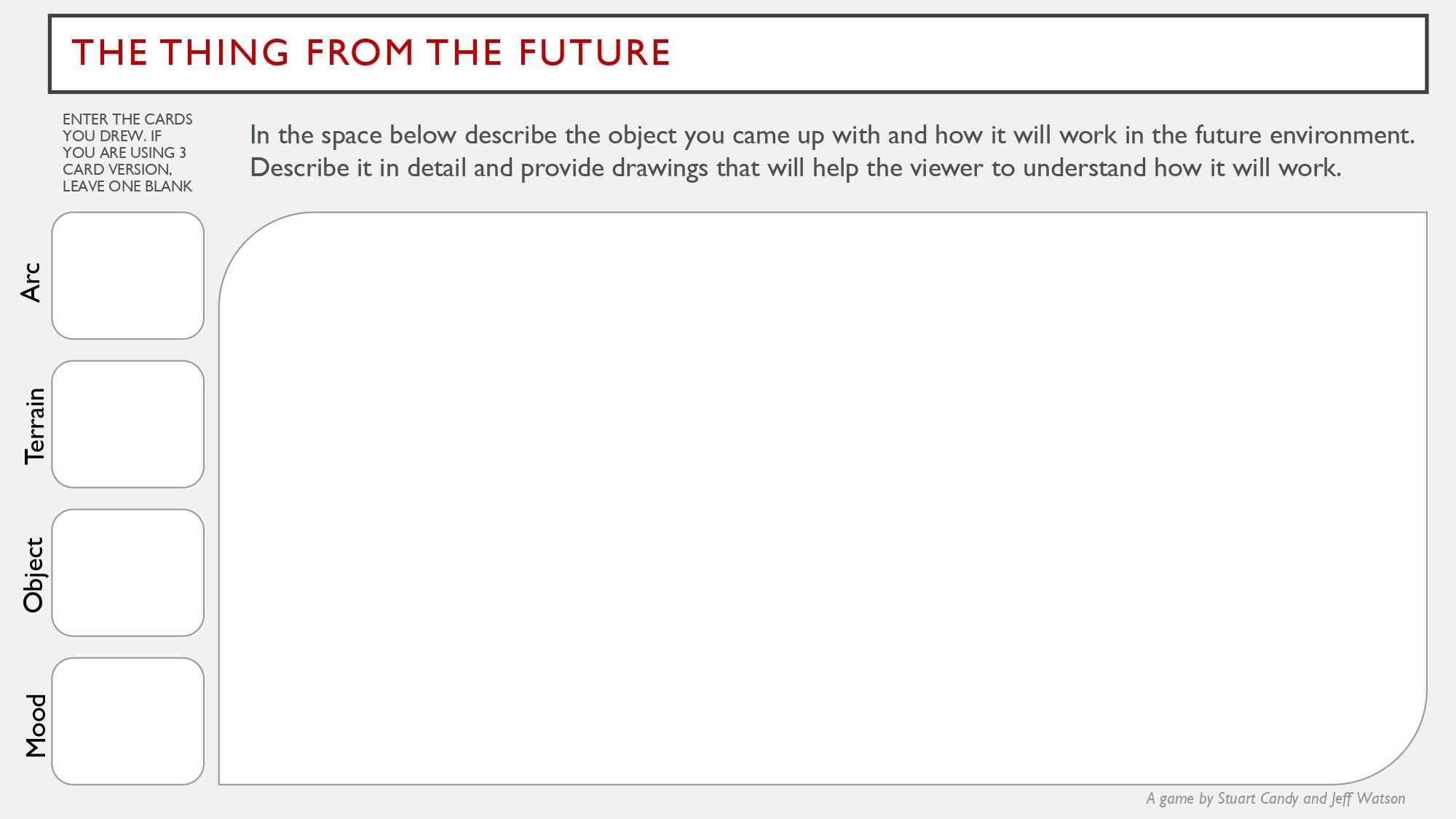
Imagining Tomorrow: Visual Storytelling for Design Fiction
In a world where everything is constantly evolving to meet societal needs, the question isn’t just what can be designed now, but what and how will be created next? Design fiction allows us to explore that question through imagination, speculation, and storytelling. It invites designers to create objects, systems, and visuals that don’t yet exist, but could.

Life Across the World: Visual Stories Through Images
From a Zulu warrior dance to the quiet of Antarctic penguins, the language of visual storytelling surpasses words. Across continents, images convey emotion and meaning that connect us all.

From Chaos to Calm: Mapping a User’s Morning Commute
Journey mapping is a visual method that helps designers understand the experiences people have as they interact with a product or service. It’s more than a chart—it captures emotions, pain points, and opportunities along the way. I created a journey map around Jonathan Lee, a 27-year-old software developer from Brooklyn, who commutes daily to Manhattan. His morning routine blends two constants in city life: public transit and music.

From Idea to Launch: Crafting My Sales Strategy for the Bilingual Creator Toolkit
Developing the sales strategy for my digital product, the Bilingual Creator Toolkit, was a process that pushed me to think beyond design and into the world of selling. My goal was simple: create an accessible, culturally aware, and visually organized toolkit for Hispanic and bilingual creators who want to streamline their content creation in both English and Spanish. Said easier than done, turning that idea into an effective sales experience meant understanding who I was designing for, how they purchase, and what would motivate them to buy.